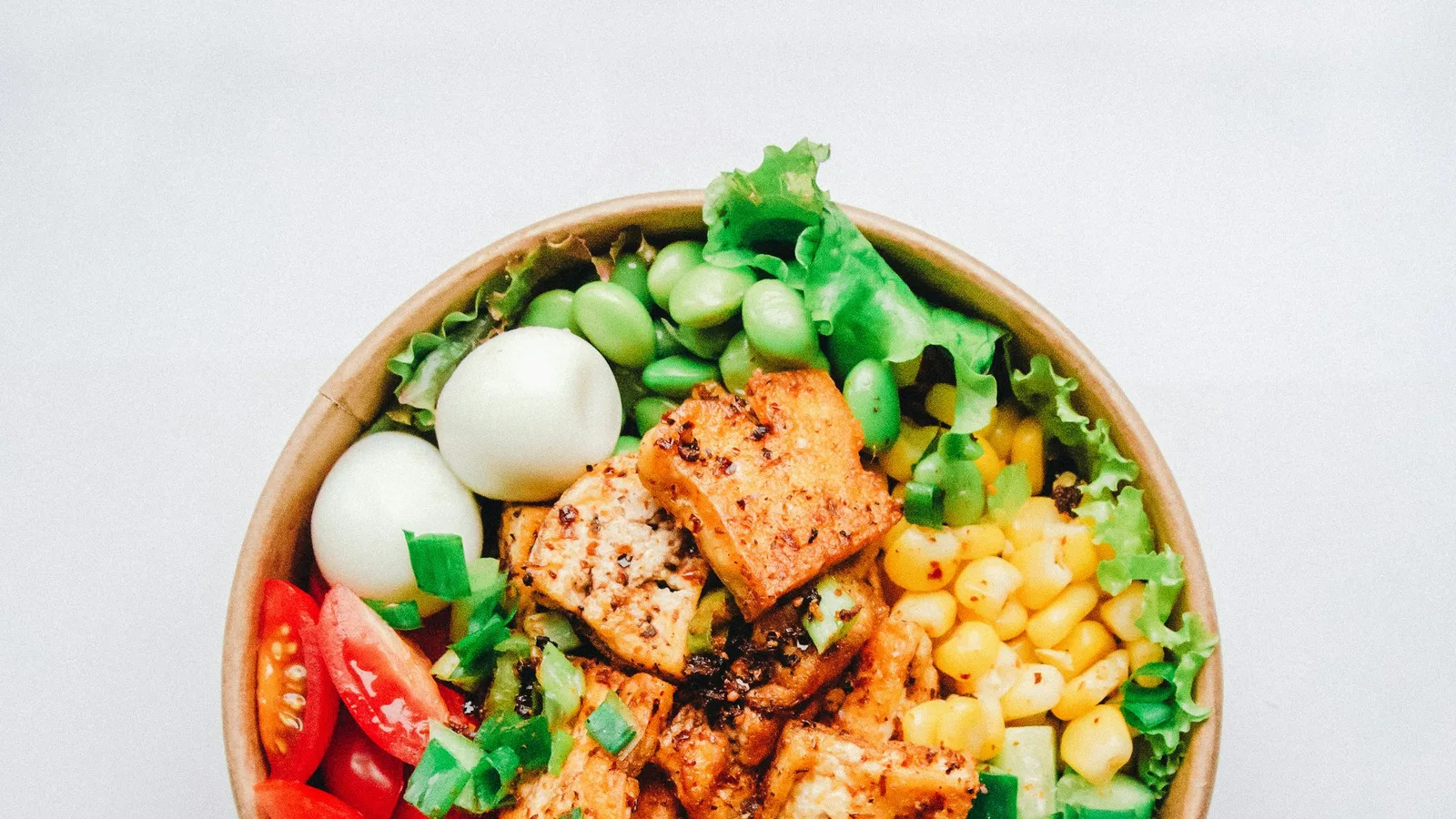
High-Protein Meal Plan: Five Practical Workweek Dinners
Plan five protein-centred dinners with example portions, a label-based protein calculation and a prep routine that keeps vegetables and variety in the week.
A useful high-protein meal plan starts with your actual requirements, not a universal target copied from social media. Build each meal around a suitable protein source, add vegetables or fruit and other food groups, then choose cooking methods that fit the time available.
Australia's Eat For Health nutrient reference values list adult protein recommendations by life stage and gender. For adults aged 19 to 70, the published RDI is 64 grams per day for men and 46 grams per day for women, with different recommendations for older adults, pregnancy and lactation. Review the complete Australian protein reference table rather than treating those two figures as personal prescriptions.
Step 1: decide what high protein means for you
Start with an appropriate professional or official reference for your circumstances. A target for a healthy adult may not suit someone who is pregnant, older, managing kidney disease, recovering from illness or training for a specific performance goal.
This article offers planning structure, not medical nutrition therapy. An accredited practising dietitian or qualified clinician can help when individual assessment matters.
Step 2: choose five quick protein anchors
Pick foods your household already eats and can prepare safely in the available time. Examples include eggs, Greek-style yoghurt, tinned fish, tofu, tempeh, legumes, lean poultry, fish, reduced-fat dairy or suitable alternatives, nuts and seeds.
Eat For Health notes that necessary amino acids can be obtained from plant sources and that Australian protein intake comes from several food groups, including cereals and dairy as well as meat, poultry and fish. Variety is more useful than treating one food as the only clean protein.
Step 3: build a repeatable meal formula
Use a flexible plate rather than seven unrelated recipes:
- Choose one protein anchor.
- Add vegetables or salad in a useful variety of colours and textures.
- Add wholegrain or another suitable carbohydrate based on your needs.
- Add flavour through herbs, spices, sauces or a small amount of unsaturated fat.
- Set a portion that matches your plan and appetite.
The Australian Guide to Healthy Eating places protein-rich foods within a broader five-food-group pattern. A high-protein label does not replace overall dietary balance.
Step 4: choose five dinners and write the portions down
This sample is a dinner-planning framework for one adult, not a full-day nutrition prescription or a set of kitchen-tested recipes. Adjust portions for appetite and individual requirements, follow a complete recipe or package cooking instructions, and check allergens. The amounts make your shopping calculation possible; they do not establish the same protein total for every brand.
| Dinner | Protein ingredient | Build the meal | Prep decision |
|---|---|---|---|
| Monday: tofu stir-fry | 180 g firm tofu | Add mixed vegetables, rice and a sauce you enjoy | Use frozen chopped vegetables when time is short |
| Tuesday: chicken couscous bowl | 150 g raw chicken breast | Add couscous, tomato, cucumber and yoghurt dressing | Keep raw chicken separate and cook it safely |
| Wednesday: lentil and egg salad | 150 g drained lentils and 2 eggs | Add leafy vegetables, wholegrain bread and dressing | Use ready-cooked lentils; prepare eggs for this meal |
| Thursday: tuna and bean pasta | 95 g drained tuna and 100 g drained beans | Add pasta, tomatoes and peas | Check drained pack weights before making the list |
| Friday: tempeh wraps | 150 g tempeh | Add wraps, cooked vegetables and a yoghurt or tahini sauce | Follow the tempeh package preparation instructions |
For a vegetarian week, replace the chicken and tuna meals with tofu, tempeh or legume dishes, then recalculate using the foods you choose. Substitutions are not automatically equal in protein, energy or allergens. Keep a freezer dinner available if one cooking night falls through.
Calculate the protein in your actual serving
Use the nutrition panel or an appropriate food database record. For example, if a tofu label states 13 g protein per 100 g, a 180 g serving contributes 13 × 1.8 = 23.4 g before rice, vegetables and sauce. This is an illustrative label calculation, not a claim about every tofu product. Add the protein from the rest of the meal if you need a total, and make sure your weights match the label's raw, cooked or drained basis.
For household portions, use the recipe scaling worksheet. To plan lunches and spare portions for one person, see the meal-planning-for-one guide.
Assign the meals to realistic nights, then use the pantry-aware grocery-list process to calculate what is missing.
Step 5: prepare components, not seven finished meals
Cook one grain, wash or roast vegetables, make a sauce and portion one or two protein options. Components preserve flexibility and reduce the risk of becoming tired of identical containers by midweek.
Eat For Health's quick and easy meal guidance suggests cooking extra, freezing meal-sized portions and using base recipes in several ways. Prepare only the portions you can store safely. Cool and refrigerate or freeze food promptly; do not keep a whole week of cooked rice or other leftovers in the fridge. Use the freezer meal guide to plan portions for later days.
Review what you planned against what you ate
The planned serving and the consumed serving are not always identical. If you log nutrition, correct the foods and portions after the meal. A photo calorie estimate can reduce logging friction, but it remains an estimate and needs review.
Change next week's plan based on the meals you actually cooked, the portions that suited you and the ingredients left behind. That feedback is more useful than chasing a new meal-plan template every Monday.
Share this insight
Kivella Editorial Team
Kivella's editorial team documents practical pantry, recipe, meal-planning and nutrition workflows. Material claims are checked against primary research or official guidance, and product claims are kept within Kivella's current documented capabilities.
Read our editorial policyShare Article
On this page
Tags
Continue the workflow
Related Kivella guides
Meal planning
Pantry-Aware Meal Planning: From Weekly Plan to Grocery List
Plan realistic meals around what you already own, combine recipe quantities and create one shared grocery list with only the items that are missing.
Meal preparation
Freezer-Friendly Meals: A Safe Make-Ahead Dinner Guide
Choose meals that freeze well, cool and portion them safely, label every pack and reheat only what your household will use.
Nutrition technology
How Accurate Are AI Food Photo Calorie Trackers?
AI food photos can speed up nutrition logging, but portion size, hidden ingredients and food matching mean every calorie result remains an editable estimate.